Hula was the record
Hawaiians had no written language until the 1820s. History, genealogy, the names of chiefs, the stories of gods, and the knowledge of winds, rains, and places were held in mele (poetry) and oli (chant). Hula gave those words a body. A dancer’s hands show the rain, the canoe, the lover, the mountain; the feet keep the rhythm of the chant. To learn a hula was to memorize a piece of the culture exactly.
That is why the training was strict. A hālau hula (hula school) was, and still is, led by a kumu hula (teacher) who received the knowledge from their own kumu. Chants and dances are passed down whole, not improvised.
Laka and the sacred side of hula
Laka is the patron deity of hula. Traditional hālau kept a kuahu, an altar to Laka, decorated with forest plants such as maile, palapalai fern, and ʻōhiʻa lehua. Dancers observed rules of conduct during training. Some hula honored gods and chiefs and were performed only for them; others told everyday stories. Both were treated with care because the words themselves were considered to carry power.
The ban and the revival
In 1830 Queen Kaʻahumanu, who had converted to Christianity, issued an edict against public hula performance. Missionaries considered the dance indecent. Hula did not disappear; it moved into homes and rural districts, where families kept it alive quietly for decades.
King David Kalākaua, who reigned from 1874 to 1891, brought hula back into public life. Hula was performed at his coronation in 1883 and at his jubilee in 1886. He is remembered for the line that hula is the language of the heart and therefore the heartbeat of the Hawaiian people. Because of this he is called the Merrie Monarch, and the festival that carries that name honors him.
Kahiko and ʻauana
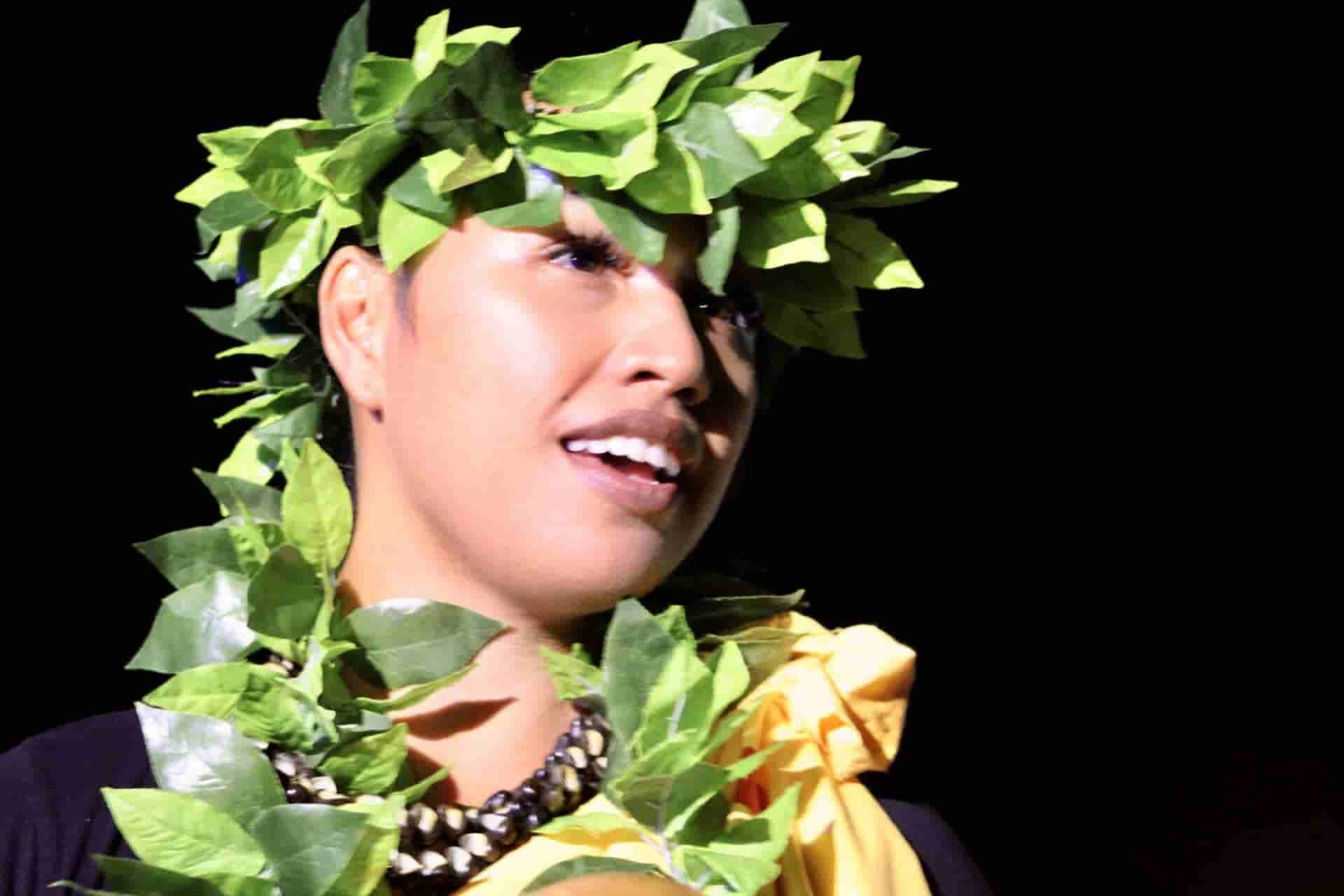
Hula kahiko is the older style. It is danced to oli (chant) and percussion: the ipu heke (double gourd), pahu (sharkskin drum), puʻili (split bamboo), ʻulīʻulī (feathered gourd rattles), ʻiliʻili (stone castanets), and kālaʻau (sticks). Movements are strong and grounded, and the attire is simple: kapa or cloth pāʻū (skirt), ti-leaf skirts, and lei of forest greenery.
Hula ʻauana developed after Western contact. It is danced to sung mele with ʻukulele, guitar, steel guitar, and bass. The movement is softer and more flowing, and the attire includes long dresses, aloha shirts, and flower lei. Most of what visitors see at a lūʻau is ʻauana, with kahiko usually opening the show.
Hula today
Hula is practiced in hālau across Hawaiʻi, on the continent, and in Japan. The Merrie Monarch Festival, held in Hilo each spring beginning on Easter Sunday since 1964, is its most respected stage; its hula competition, begun in 1971, is broadcast statewide and watched like a championship.
In our own family, Kaniala and Melody Masoe teach their children the dances and chants they learned from their teachers and parents. When we perform hula at a private event or at Huakaʻi Lūʻau, we explain what each dance says, because the meaning is the point.