Before the hotel: Helumoa
The hotel stands on land called Helumoa, a coconut grove in Waikīkī that was a favored residence of Hawaiian chiefs long before tourism. Kamehameha I camped his forces here before consolidating rule over Oʻahu in 1795 and later kept a residence on the site. Waikīkī was a place of fishponds, taro fields, and surfing for the aliʻi; the grove of Helumoa was the center of it. A restored coconut grove on the hotel grounds still carries the name.
1927: Matson builds a palace
The Matson Navigation Company, which ran the passenger liners between California and Honolulu, built the Royal Hawaiian to give its first-class passengers somewhere to stay that matched the voyage. The hotel opened on February 1, 1927, with about 400 rooms, designed by the New York firm Warren & Wetmore in a Spanish-Moorish style and finished in pink stucco. The color earned it the nickname Pink Palace of the Pacific. For the next fourteen years it was the address for Hollywood stars, industrialists, and travelers arriving on Matson’s Malolo and Lurline.
The war years
After the attack on Pearl Harbor, the Navy leased the entire hotel in 1942 as a rest and recreation center for sailors and submariners returning from the Pacific. Barbed wire ran along Waikīkī Beach. The hotel returned to civilian use after the war and reopened to guests in 1947, restored and repainted its familiar pink.
The Monarch Room and Hawaiian music
The hotel’s Monarch Room became one of Waikīkī’s best-known stages. Big bands and Hawaiian orchestras played there in the 1930s, and after the war it hosted the hapa haole era, the Hawaiian-language and English songs, steel guitar, and hula ʻauana that visitors carried home on records and radio. Many of the songs a hula dancer still performs at a lūʻau today come from that period and those rooms. The style visitors know as ‘Hawaiian music’ was shaped in Waikīkī hotels like this one.
Famous guests
The Royal Hawaiian’s guest book from the 1920s through the 1960s reads like a list of the era’s film stars, musicians, and political figures, and the hotel has told those stories in its own histories and exhibits. We will not repeat unverified anecdotes here; the hotel itself is the best source for who slept where. What is certain is that the Pink Palace, with the Moana next door, made Waikīkī the destination it became, and that Duke Kahanamoku and the Waikīkī beach boys who taught guests to surf and paddle out front are as much a part of its legend as anyone who checked in.
Visiting today
The Royal Hawaiian is still a working hotel on Waikīkī Beach, now with a tower added in 1969 alongside the original building. The pink facade, the coconut grove, and the beachfront lawn are open to walk through. For visitors interested in Hawaiian music and hula, the hotel and its neighbors are where the visitor-era style was born; for the older traditions, hula kahiko and the chants behind it, look to a hālau performance or a lūʻau that explains what each dance means.
Hawaiian entertainment in Waikīkī
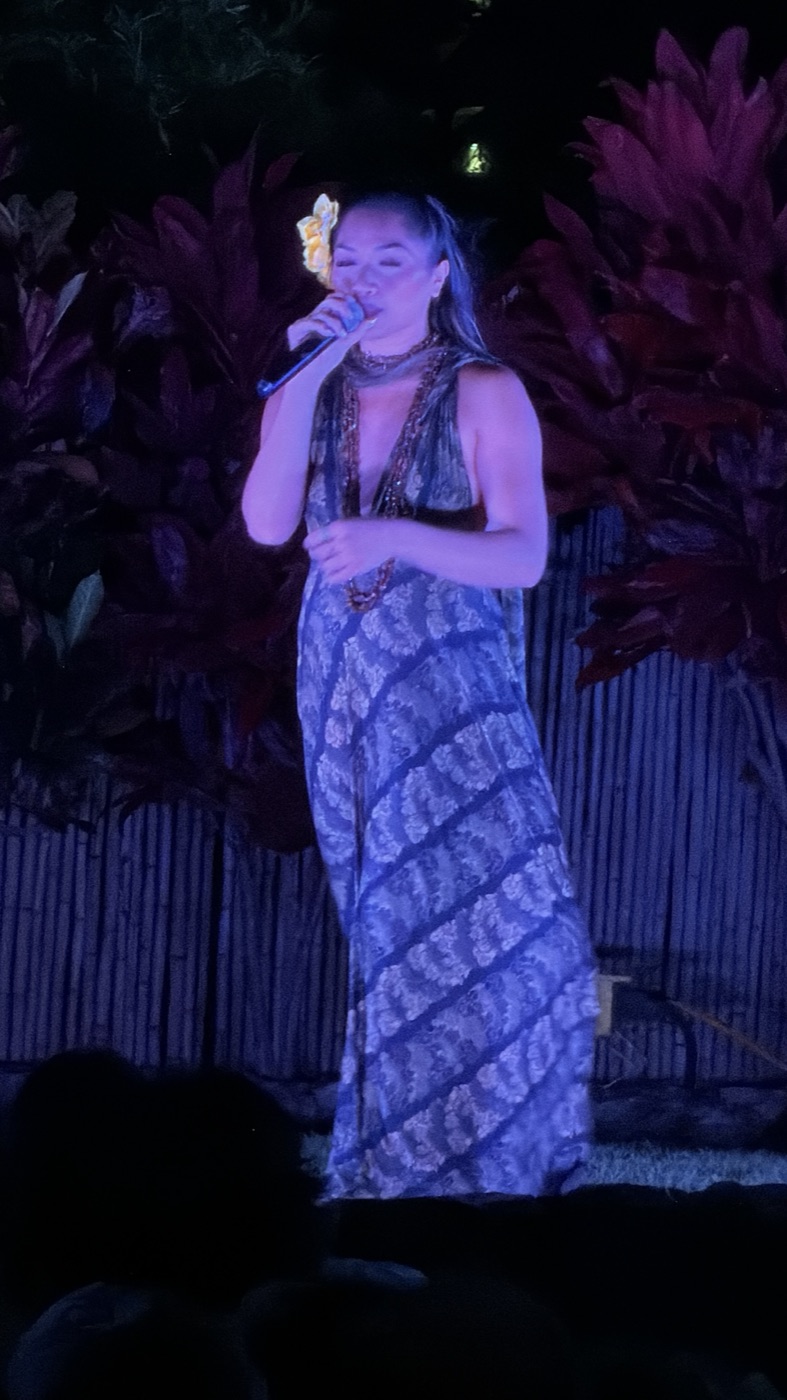
Hawaii Luau Company performs at private events in Waikīkī hotels and across Oʻahu: hula, live Hawaiian music, and Polynesian shows for weddings, company dinners, and family gatherings. If you are planning an event on the beach that started it all, see our Waikīkī and Oʻahu pages.